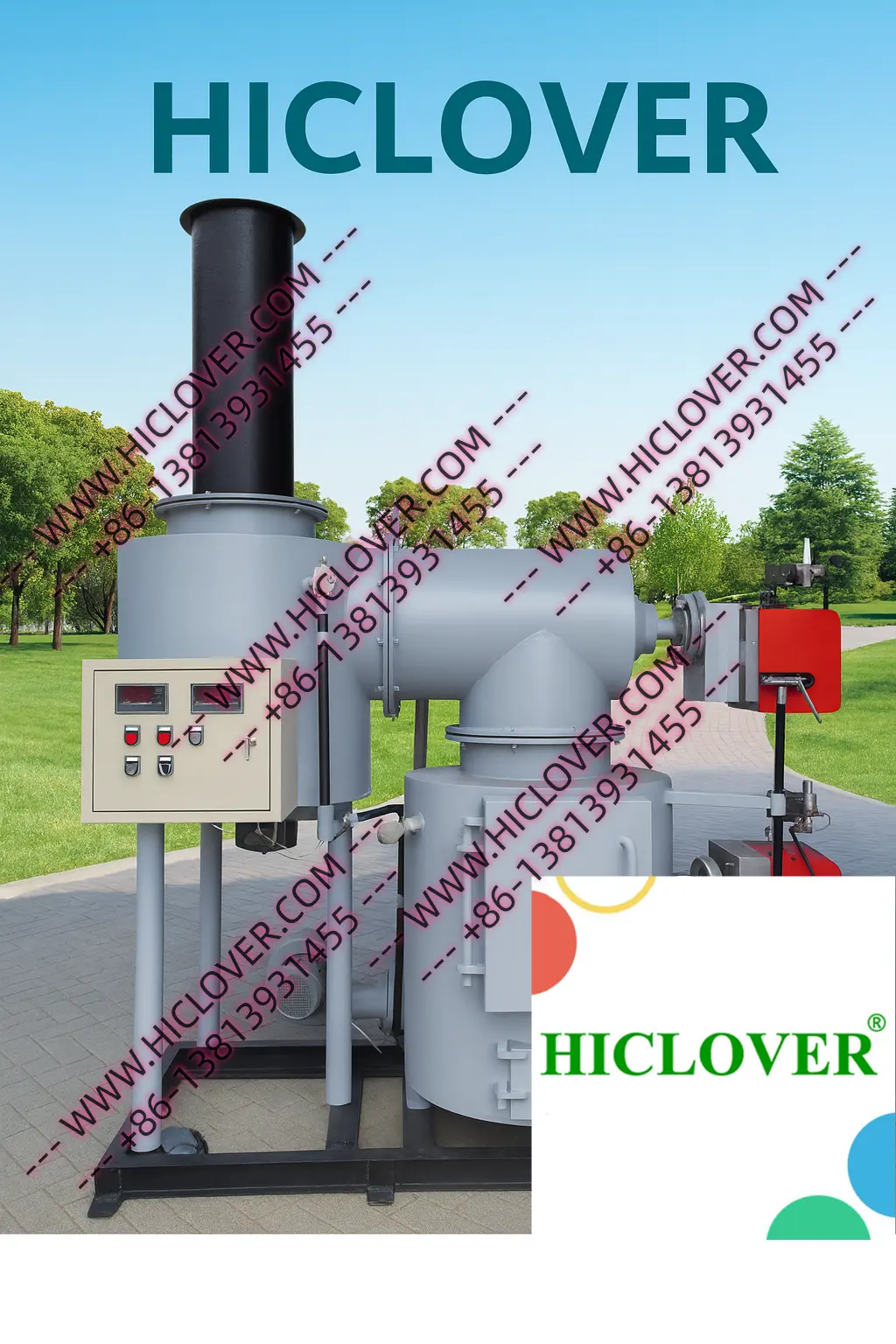
Advanced HICLOVER Waste Incinerators: Engineering Precision for Eco-Friendly Waste Recovery
Technical Foundations of Waste Incinerators
Waste incinerators represent a cornerstone of modern waste management, particularly in contexts where **waste incinerators** must adhere to stringent industrial standards. Early in their development, these systems evolved from basic combustion units to sophisticated devices capable of handling diverse waste streams, driven by the need for controlled thermal destruction. HICLOVER, with its extensive engineering experience spanning over 16 years, has refined this technology to ensure reliable operation in challenging environments.
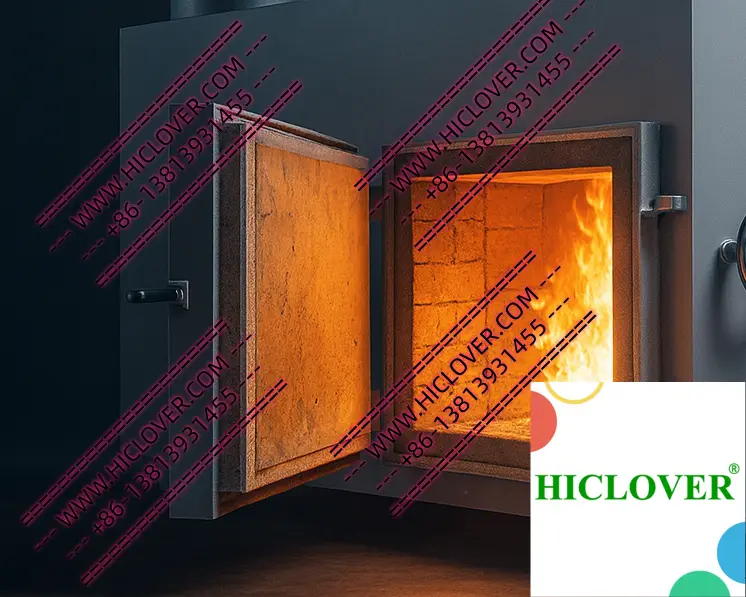
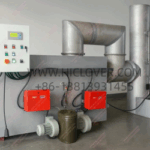
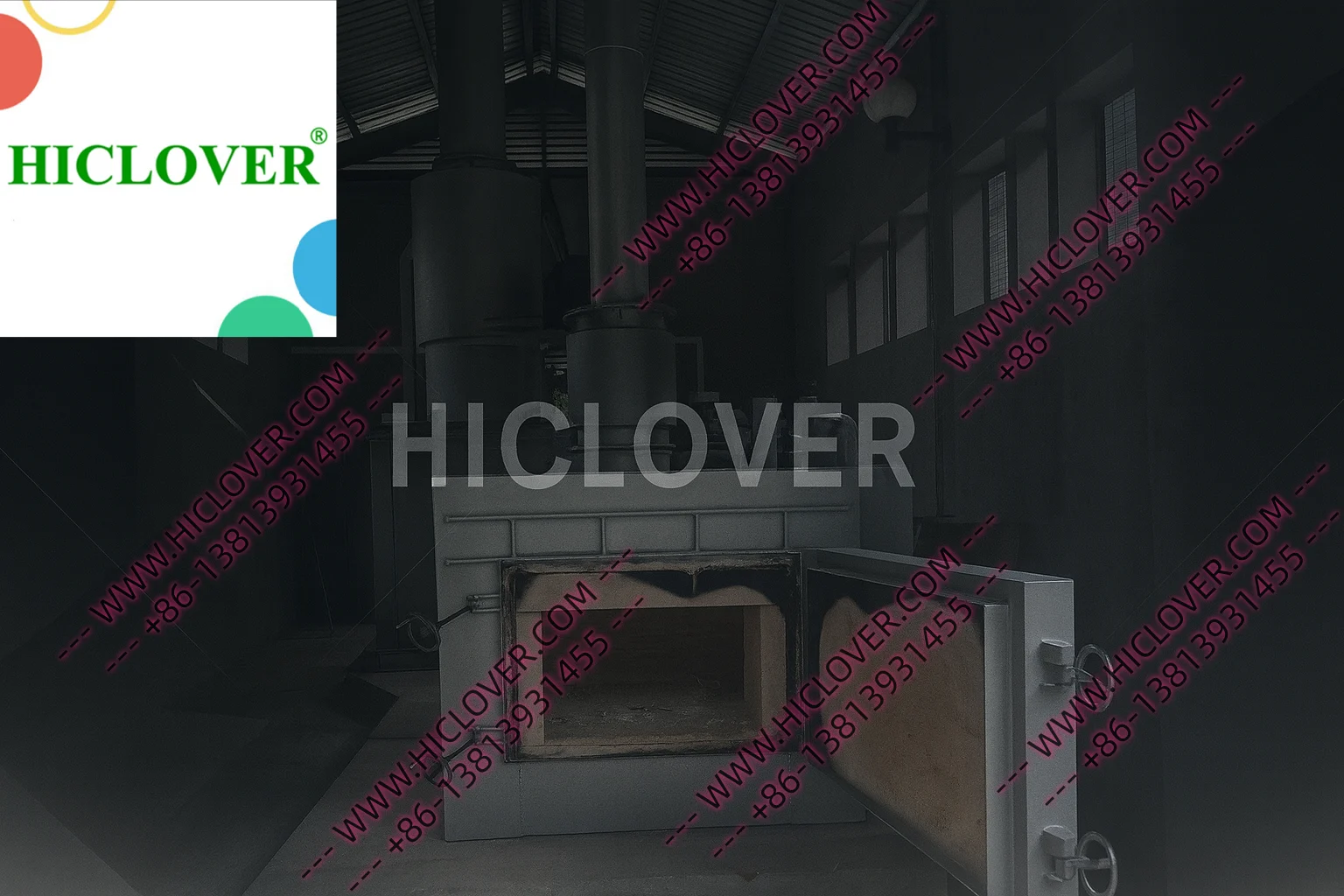
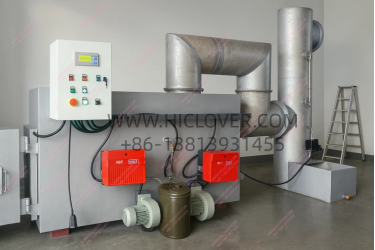
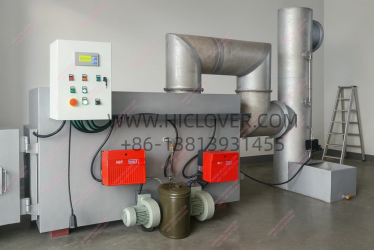
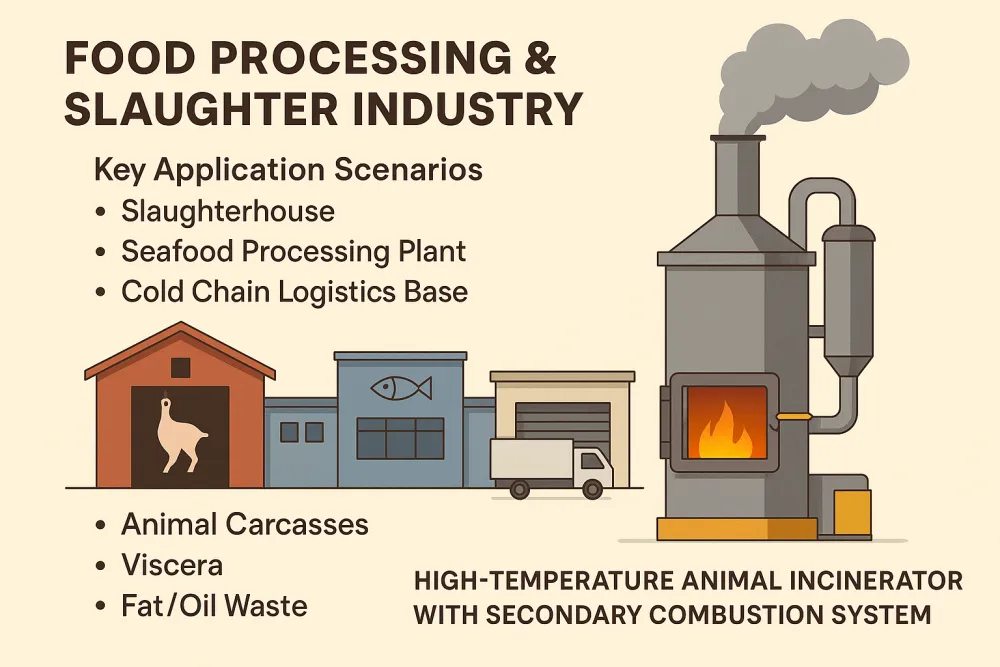
At the heart of HICLOVER’s design lies the dual combustion chamber principle, a critical feature for achieving complete waste breakdown. The primary chamber operates at temperatures ranging from 800°C to 1200°C, aligning with **medical incinerator operating temperature standards** set by regulatory bodies like the World Health Organization (WHO). This range facilitates the initial volatilization and partial combustion of materials, reducing organic matter into ash and gases. The secondary chamber, maintained at 1000°C to 1300°C, ensures high-temperature retention for afterburning, minimizing emissions of dioxins and furans. Such precision not only meets EU emission frameworks but also supports global infectious disease preparedness by safely processing biohazardous waste in crisis zones and humanitarian camps.
Combustion principles in HICLOVER systems emphasize efficient oxygen supply and turbulence, promoting thorough mixing for optimal burn rates. Regulatory references, including WHO guidelines and EU directives, dictate that emissions remain below specified thresholds, such as 10 mg/Nm³ for particulate matter. Engineers appreciate how these standards translate into practical benefits, like reduced environmental impact amid growing carbon emission reduction pressure. Passive voice constructions, such as “emissions are controlled through automated air injection,” highlight the system’s inherent reliability, drawing on HICLOVER’s factory manufacturing capabilities to deliver units with integrated PLC automation.
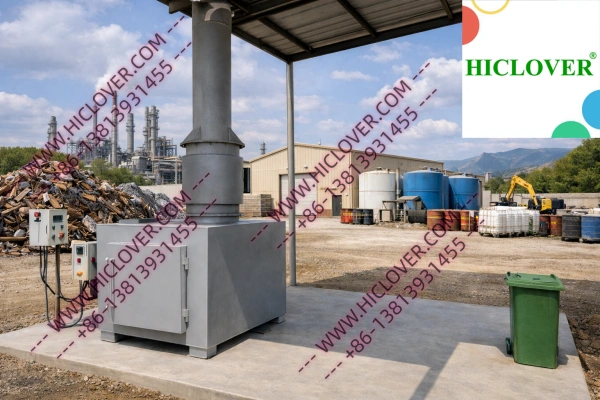
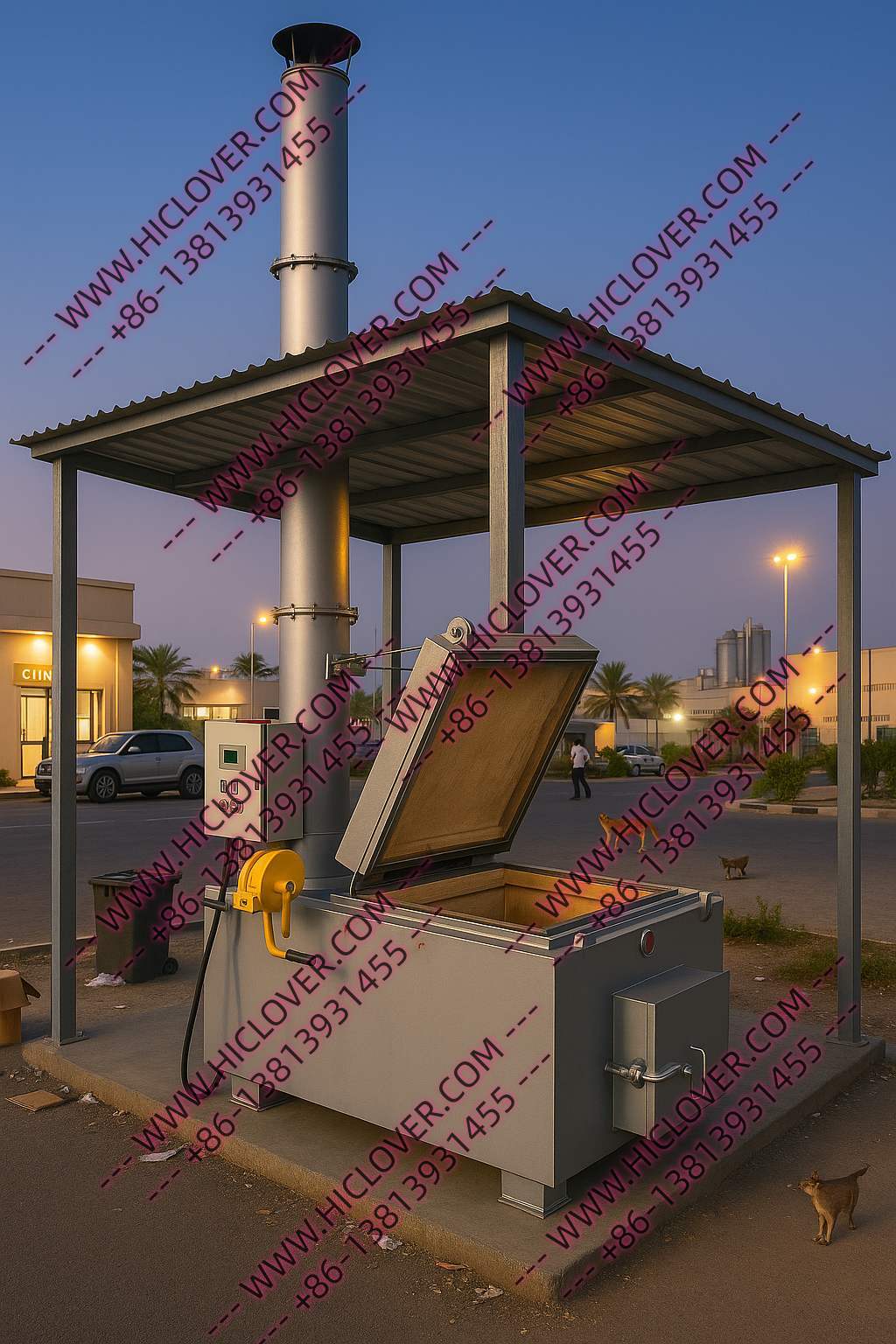
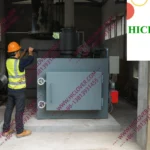
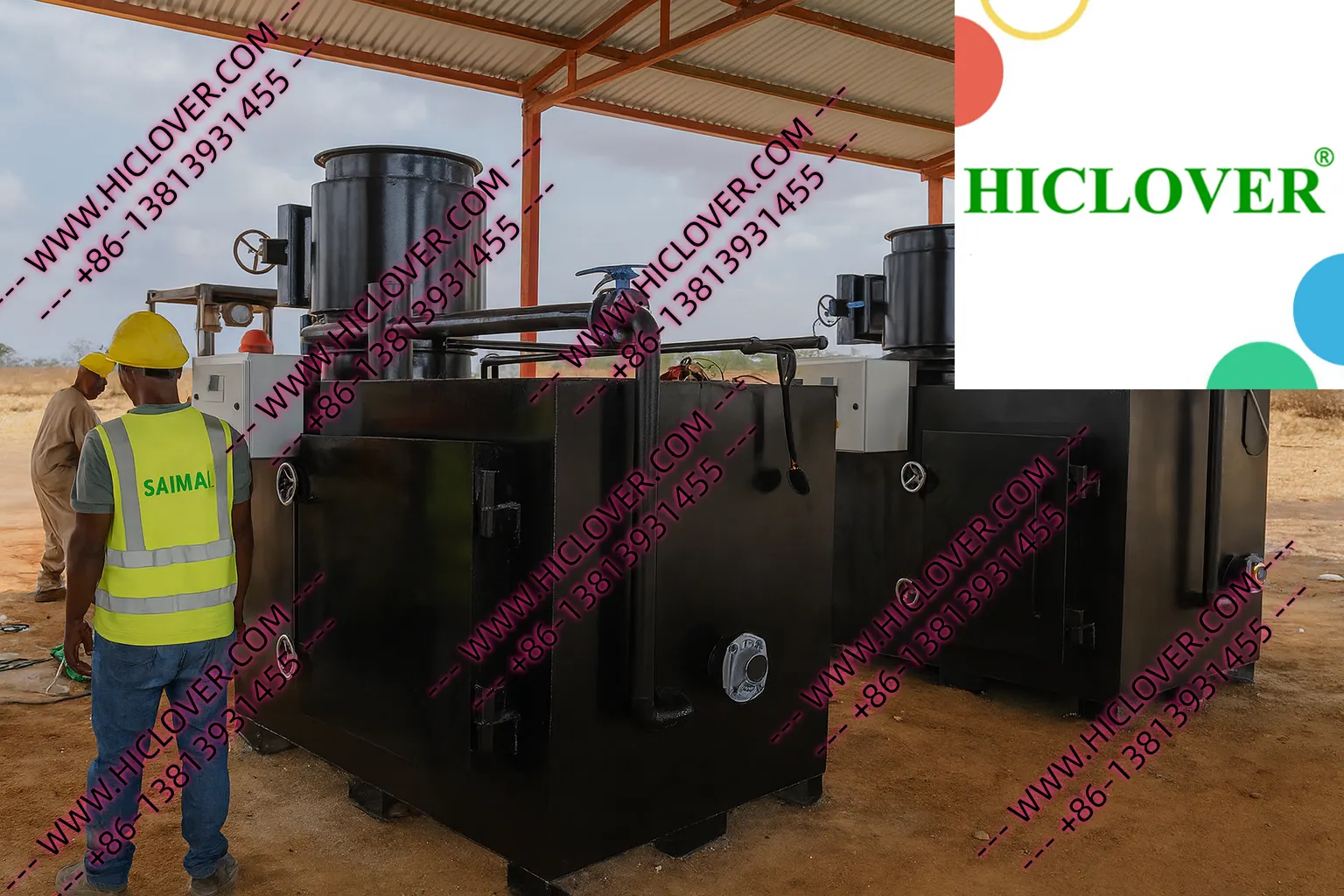
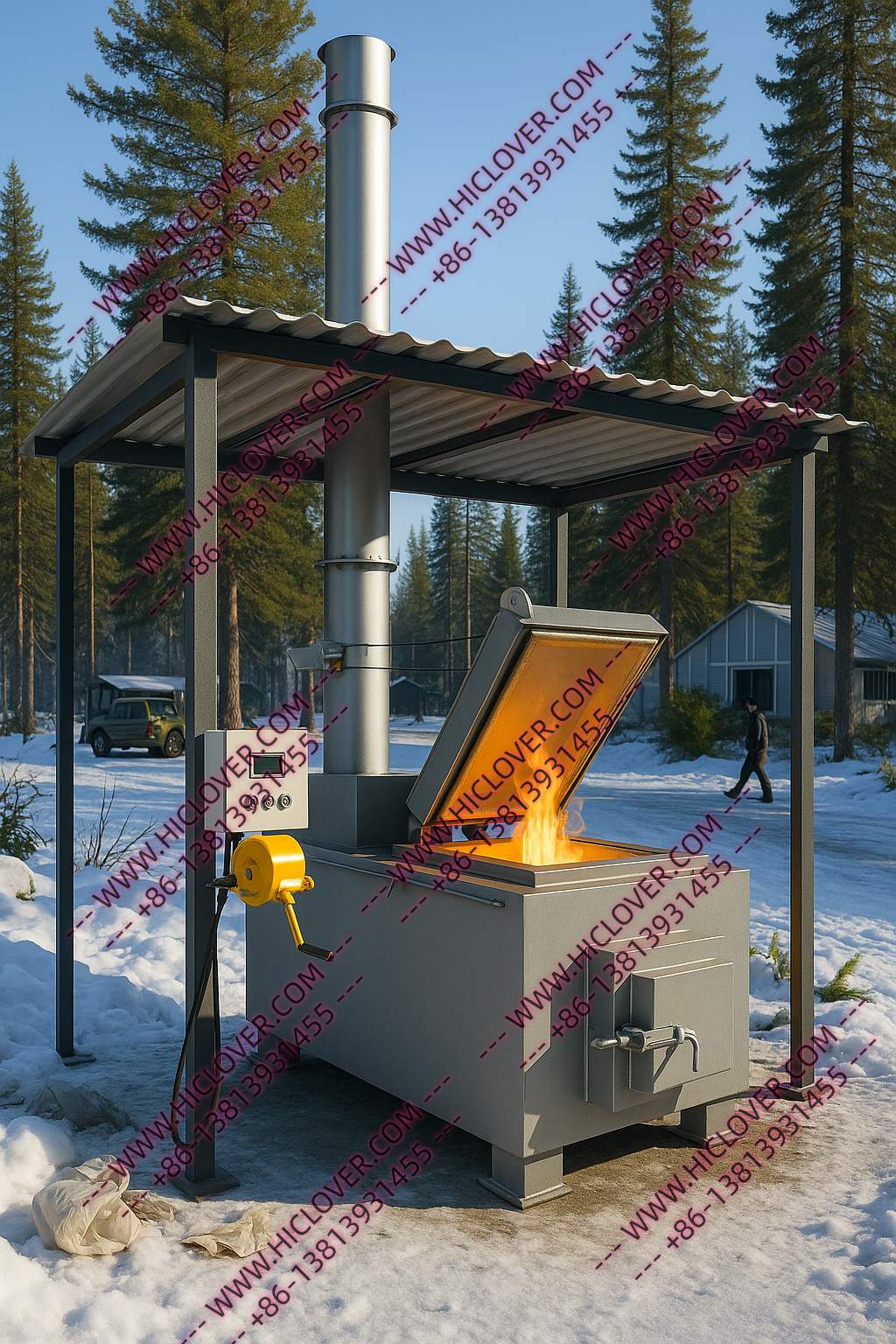
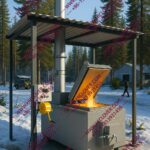
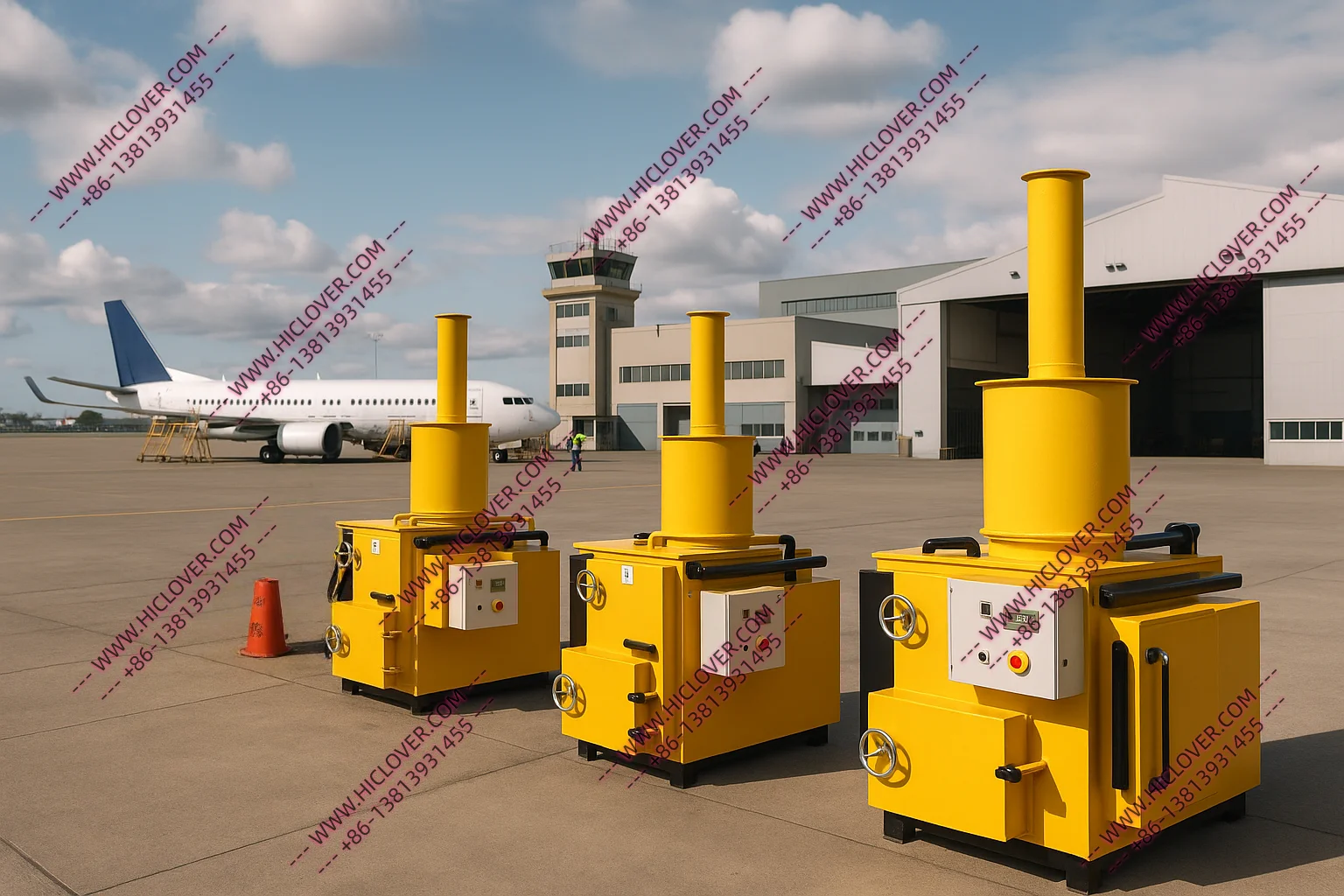
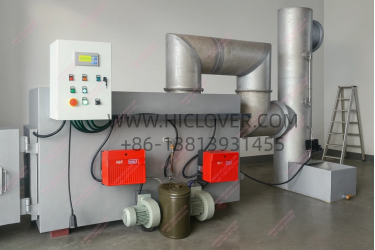
HICLOVER’s containerized mobile incinerators exemplify this engineering reliability, featuring a plug-and-play design that supports decentralized waste management in remote mining or oil camps. Multi-fuel options—diesel, LPG, or natural gas—enhance adaptability, allowing operators to select based on local availability while maintaining energy recovery systems for heat recapture. These advancements reflect broader trends in supply chain resilience, where modular components ensure quick deployment without compromising performance.
In practice, the importance of high-temperature retention cannot be overstated; it prevents incomplete combustion, which could lead to toxic byproducts. For instance, in healthcare settings, pathological waste is processed with greater efficiency, contributing to ESG compliance by aligning waste disposal with sustainable practices. HICLOVER’s emphasis on these technical details positions its products as essential tools for engineers navigating the complexities of modern waste challenges.
Comparative Analysis of Incinerator Systems
When evaluating **waste incinerators**, engineers often compare fixed versus containerized designs to determine suitability for specific applications. Fixed incinerators, typically installed in permanent facilities, offer stability for high-volume operations but lack the mobility required in dynamic settings like crisis zones. In contrast, HICLOVER’s containerized modular systems provide a versatile alternative, with units that can be transported and operationalized in under 24 hours, making them ideal for remote site suitability in humanitarian camps or decentralized waste management scenarios.
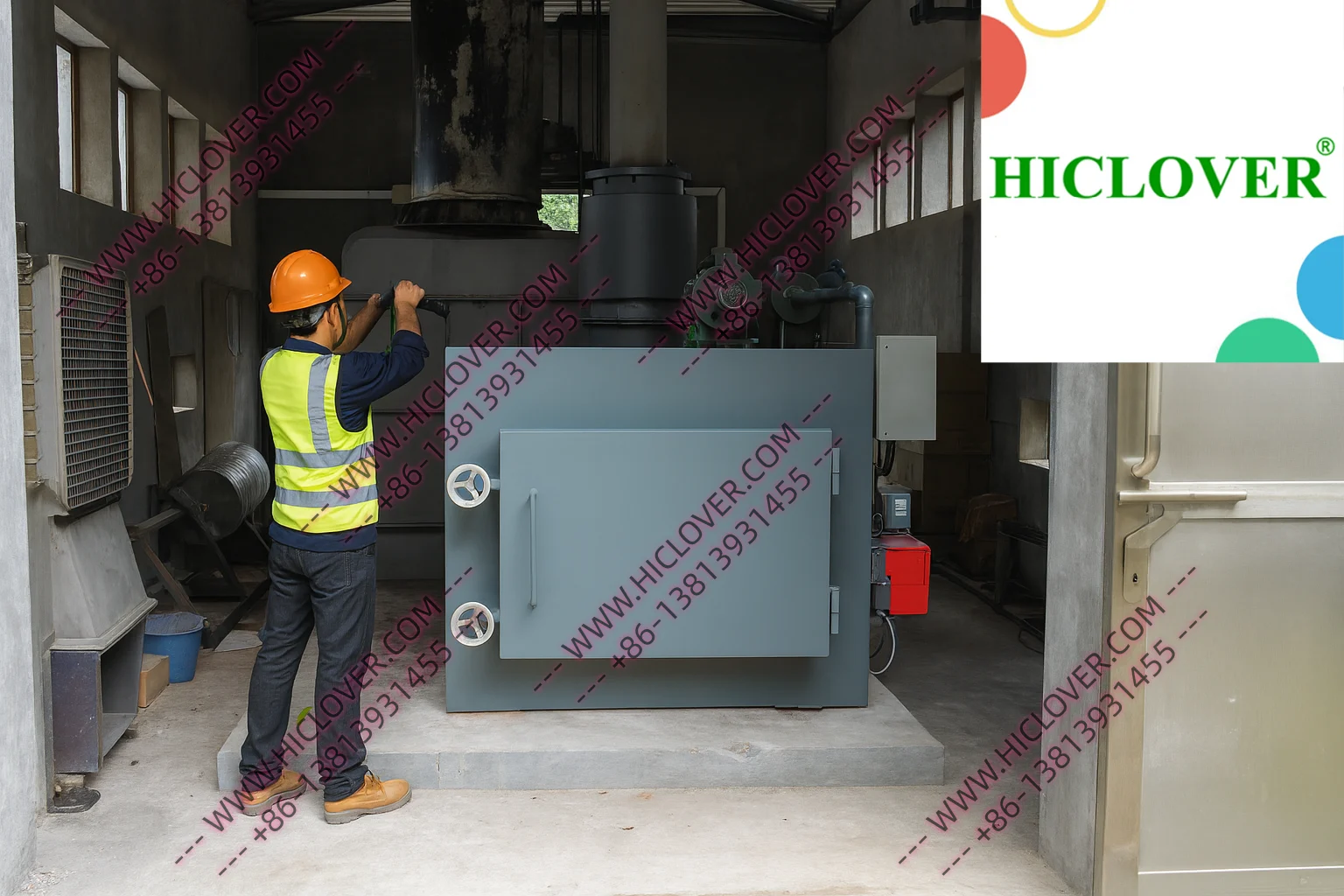
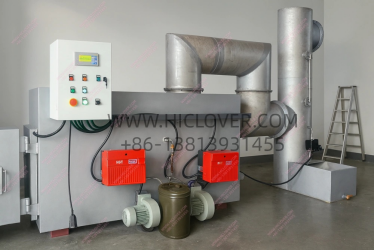
A key differentiator lies in control mechanisms: PLC versus manual systems. HICLOVER incorporates PLC automation, which allows for precise monitoring of combustion parameters, reducing human error and enhancing operational efficiency. For example, sensors adjust fuel-air ratios in real-time, ensuring compliance with emission standards while optimizing energy use—a critical factor under carbon emission reduction pressure. Manual controls, found in older models from other manufacturers, demand constant oversight and are less effective in maintaining consistent temperatures, potentially leading to inefficiencies.
Emission control technologies further illustrate these comparisons. HICLOVER offers optional wet or dry scrubbers, with dry systems proving more advantageous in arid environments due to lower water consumption. Wet scrubbers, while effective for acid gas neutralization, require additional infrastructure, whereas dry scrubbers utilize sorbents for pollutant capture, aligning with trends in sustainable waste incineration. Engineers might weigh these against competitors’ offerings, noting how HICLOVER’s designs integrate seamlessly with digital automation in industrial equipment, enabling remote diagnostics and predictive maintenance.
Mobile modular advantages extend to multi-fuel capabilities, allowing HICLOVER units to switch between diesel and natural gas without reconfiguration, a feature that supports global export capability and adapts to varying economic conditions. In regions like Africa or Asia, where supply chain resilience is paramount, these systems outperform rigid alternatives by facilitating rapid deployment for waste recovery operations. For instance, in mining camps, the ability to process general solid waste while recovering energy reduces dependency on external disposal services, enhancing cost-effectiveness.
This comparative lens also reveals HICLOVER’s edge in factory manufacturing over trading companies. As a direct manufacturer, HICLOVER controls production quality, ensuring that each unit meets rigorous engineering standards without the delays or inconsistencies associated with intermediaries. Such stability is evident in their customizable chamber volumes, which range from 100 liters for small-scale applications to several cubic meters for industrial needs, catering to diverse user requirements.
Procurement and Customization Options
Procuring **waste incinerators** involves careful consideration of factory direct supply chains, where HICLOVER’s established infrastructure provides distinct advantages. With over 16 years of engineering experience, the company offers global export capability, delivering units to remote locations while maintaining a stable supply chain that withstands disruptions—a vital aspect amid current trends in supply chain resilience. Engineers value this reliability, as it ensures timely project completion without compromising on quality.
Customization is a hallmark of HICLOVER’s approach, allowing for tailored chamber volumes based on specific waste volumes and types. For applications in healthcare, units can be configured with dual combustion chambers and optional scrubbers to handle medical waste effectively, adhering to WHO standards for infectious material disposal. This flexibility extends to mobile plug-and-play designs, which incorporate PLC-controlled automation for seamless integration into existing operations, supporting trends in digital automation for industrial equipment.
Transactional benefits include the ability to select from multi-fuel options, ensuring that systems operate efficiently in energy-scarce environments like oil camps or humanitarian zones. HICLOVER’s factory advantages shine here; unlike trading companies that may source from third parties, direct manufacturing allows for rigorous testing and customization, such as adding heat recovery functions to promote energy efficiency and align with ESG compliance goals.
In global markets, HICLOVER’s engineering experience facilitates waste recovery initiatives, where recovered heat can be repurposed for on-site power generation, contributing to carbon emission reduction efforts. For engineers in the field, this means not only cost savings but also enhanced operational longevity, as evidenced by the company’s track record in delivering systems for diverse applications, from pet cremation to industrial waste processing.
The transactional layer also encompasses after-sales support, with HICLOVER providing comprehensive service through their website [https://www.hiclover.com/](www.hiclover.com/), embedded within technical documentation for easy access to specifications and upgrades. This direct approach underscores their commitment to long-term partnerships, contrasting with less integrated offerings from competitors.
Further resources on regulatory standards can be found via a targeted search, such as [https://www.google.com/search?q=medical+incinerator+secondary+chamber+temperature+standard](www.google.com/search?q=medical+incinerator+secondary+chamber+temperature+standard), which engineers can use to cross-reference HICLOVER’s designs with international benchmarks.