Archives 2025

Tanzania Waste Incinerator Market Report: Characteristics, Demand Trends, and Applicability of Modern Incineration Solutions

Tanzania Waste Incinerator Market Report: Characteristics, Demand Trends, and Applicability of Modern Incineration Solutions


1. Overview of Tanzania’s Waste Management Landscape
Tanzania, with major cities such as Dar es Salaam, Dodoma, Arusha, Mwanza, and Zanzibar, is experiencing rapid population growth and expanding public-health infrastructure. These factors significantly increase the amount of municipal, biomedical, industrial, and community-generated waste. Many regions still rely on open dumping or uncontrolled burning, especially in peri-urban zones such as Temeke, Ilala, and Kinondoni, creating long-term environmental and public health challenges.

The Government of Tanzania―supported by institutions including the United Nations, WHO, UNDP, and numerous humanitarian agencies―has been promoting safer and more compliant waste-disposal strategies. Incineration technology has therefore become a key component in national and donor-funded waste-management planning.


2. Key Market Characteristics
The waste incinerator market in Tanzania displays several notable structural features:

  • Mixed and high-moisture waste streams, particularly in Dar es Salaam and coastal regions.

  • Significant medical waste volume from hospitals in Dodoma, Arusha, Morogoro, and Mwanza.

  • Decentralized health facilities, including rural clinics across Kilimanjaro, Tanga, and Shinyanga, which require compact and easily operated incinerators.

  • Increasing environmental compliance, influenced by global health programs, UN-backed tenders, and institutional procurement standards.

These characteristics create consistent demand for engineered systems capable of stable combustion, low emissions, and reliable performance in hot, humid, or remote environments.


3. Market Demand and Emerging Trends
Multiple drivers are shaping the growth trajectory of Tanzania’s incinerator market:

  1. Healthcare modernization
    Expansion of regional hospitals, including facilities in Arusha and Mwanza, increases the need for compliant biomedical waste destruction.

  2. Humanitarian response and refugee-support operations
    UN agencies working in Kigoma, Kasulu, and Tanga require standardized incineration solutions for field clinics, temporary settlements, and emergency medical operations.

  3. Urbanization and industrialization
    Rapid growth in Dar es Salaam generates large volumes of mixed municipal waste, pushing local authorities to explore high-capacity, fuel-efficient incinerators.

  4. Environmental and regulatory reinforcement
    Donor-funded programs emphasize emissions control, ash handling safety, and consistent high-temperature operation.


4. Suitability of Incineration Technology for Tanzania’s Local Conditions
Tanzania’s waste composition and climate conditions require incinerator systems with:

  • Secondary combustion capability for complete burnout of low-calorific or wet waste.

  • Diesel, LPG, or natural gas burners to stabilize combustion when moisture content is high.

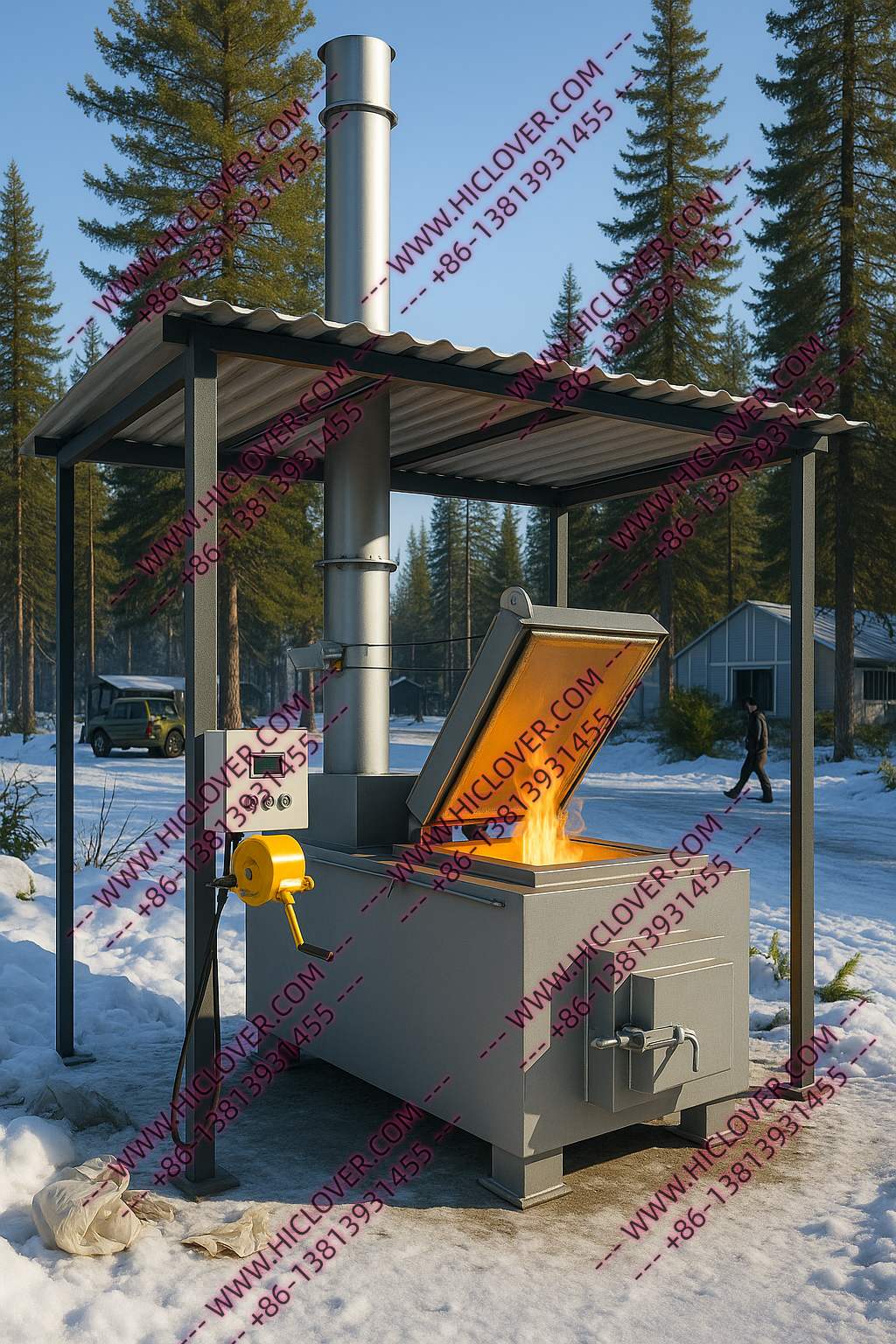
  • Top-loading or batch-loading chambers suitable for community waste, animal waste, or large medical waste bags.

  • Mobile or containerized solutions that reduce civil-works requirements in rural districts.

These attributes correspond directly to the systems often deployed by UN missions and NGO logistics teams operating across East Africa.


5. HICLOVER Incinerators: Strengths for the Tanzanian Market
HICLOVER provides a range of incineration technologies that align with Tanzania’s operational requirements:

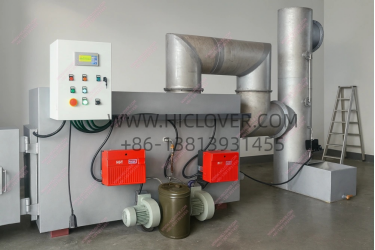
  • Top-loading incinerators suitable for bulky municipal waste in cities such as Dar es Salaam and Mwanza.

  • Medical waste models with multi-chamber combustion, ideal for hospitals in Dodoma, Arusha, and Morogoro.

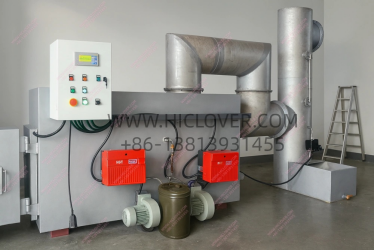
  • Containerized mobile incinerators, preferred by NGOs, refugee-camp operators, and UN field missions.

  • Dry and wet gas-cleaning systems, supporting projects with higher emissions-control requirements.

  • Durable refractory structures and PLC-controlled burners, essential for long-term operation under demanding field conditions.

To support SEO structure, the following keyword-linked references point to your HICLOVER domain:

  • medical waste incinerator in Tanzania

  • top-loading waste incinerator

  • containerized incinerator solution

  • solid waste incinerator system

  • Tanzania waste treatment equipment

All links remain within the HICLOVER ecosystem and support keyword relevance.


6. Additional Highlight: Waste Treatment in Tanzania’s Coastal and Island Zones
Coastal cities―especially Dar es Salaam and Zanzibar―face unique environmental sensitivities. Tourism, fishing industries, and densely populated waterfront districts require stringent waste handling to protect coastal ecosystems. Incinerators designed for rapid ignition, reduced emissions, and minimal odor are especially valuable in locations where proximity to residential areas and marine habitats requires tighter operational control.


7. Market Outlook
Tanzania’s incinerator market is expected to expand steadily due to:

  • Continued investment in national and district-level healthcare infrastructure.

  • Growing involvement of the United Nations, especially in public-health projects and humanitarian logistics.

  • Rising environmental awareness among local authorities and development partners.

  • Increased demand for mobile systems capable of serving dispersed rural populations.

  • Government support for regulated and safe medical waste treatment.

These conditions position Tanzania as a high-potential and stable market for modern waste incineration technology.

Tanzania’s evolving waste-management framework presents strong demand for reliable, compliant, and adaptable incinerator solutions. From the urban centers of Dar es Salaam, Dodoma, and Arusha to remote communities across Kigoma and Tanga, engineered incineration systems offer a practical path toward safe waste destruction.

HICLOVER’s versatile product range―with top-loading options, medical-grade combustion systems, and mobile containerized units―aligns with both government and UN procurement requirements. Their technical durability and operational flexibility make them well suited to long-term waste-management strategies in Tanzania.

Mobile: +86-13813931455(WhatsApp)

Email:     [email protected]     
Email:     [email protected] 


2025-12-11/14:29:51

Incinerator Items/Model

HICLOVER TS100(PLC)


Burn Rate (Average)

100kg/hour

Feed Capacity(Average)

150kg/feeding

Control Mode

PLC Automatic

Intelligent Sensor

Continuously Feeding with Worker Protection

High Temperature Retention(HTR)

Yes (Adjustable)

Intelligent Save Fuel Function

Yes

Primary Combustion Chamber

1200Liters(1.2m3)

Internal Dimensions

120x100x100cm

Secondary Chamber

600L

Smoke Filter Chamber

Yes

Feed Mode

Manual

Burner Type

Italy Brand

Temperature Monitor

Yes

Temperature Thermometer

Corundum Probe Tube, 1400℃Rate.

Temperature Protection

Yes

Automatic Cooling

Yes

Automatic False Alarm

Yes

Automatic Protection Operator(APO)

Yes

Time Setting

Yes

Progress Display Bar

3.7 in” LCD Screen

Oil Tank

200L

Chimney Type

 Stainless Steel 304

1st. Chamber Temperature

800℃–1000℃

2nd. Chamber Temperature

1000℃-1300℃

Residency Time

2.0 Sec.

Gross Weight

7000kg

External Dimensions

270x170x190cm(Incinerator Main Body)

Burner operation

Automatic On/Off

Dry Scrubber

Optional

Wet Scrubber

Optional

Top Loading Door

Optional

Asbestos Mercury Material

None

Heat Heart Technology(HHT)

Optional

Dual Fuel Type(Oil&Gas)

Optional

Dual Control Mode(Manual/Automatic)

Optional

Temperature Record

Optional

Enhanced Temperature Thermometer

Optional

Incinerator Operator PPE Kits

Optional

Backup Spare Parts Kits

Optional

Mobile Type

Optional:Containerized/Trailer/Sledge Optional

Le marché des incinérateurs de déchets au Mozambique — caractéristiques, besoins et perspectives

Le marché des incinérateurs de déchets au Mozambique — caractéristiques, besoins et perspectives


Le Mozambique, avec des centres urbains tels que Maputo, Beira, Nampula, Tete, Pemba et Chimoio, connaît une transformation rapide de son paysage de gestion des déchets. La croissance démographique, l’expansion des services de santé et l’implication constante des organisations internationales — notamment les Nations Unies, l’UNICEF, l’OMS et de nombreuses ONG — renforcent la nécessité de disposer de systèmes d’incinération fiables et adaptés aux conditions locales. Le marché mozambicain des incinérateurs devient ainsi un secteur stratégique pour les collectivités, les structures médicales et les projets humanitaires.

Caractéristiques du marché des déchets au Mozambique

Plusieurs facteurs structurent la situation actuelle :

  1. Une forte production de déchets municipaux dans les villes comme Maputo et Matola, composée d’un mélange de plastiques, organiques et déchets industriels légers.

  2. Des volumes croissants de déchets médicaux, en particulier dans les hôpitaux régionaux de Beira, Nampula et Tete.

  3. Une infrastructure d’enfouissement limitée, notamment dans les zones côtières telles que Pemba et Quelimane, qui exigent des solutions thermiques plutôt que le simple dépôt en décharge.

  4. Des projets humanitaires importants, notamment dans le nord, où les bases des Nations Unies et de diverses ONG utilisent des incinérateurs pour gérer les déchets biomédicaux et les déchets des camps.

  5. Un climat tropical et humide, nécessitant des équipements robustes, résistants à la corrosion et adaptés à des environnements parfois instables.

Ces conditions stimulent la demande nationale pour des incinérateurs faciles à installer, durables et compatibles avec des usages intensifs.

Besoins du marché et tendances en évolution

Les tendances actuelles du marché mozambicain montrent plusieurs axes de croissance :

Traitement des déchets biomédicaux dans les centres hospitaliers de Maputo, Nampula, Beira et Tete.
Solutions autonomes pour les municipalités secondaires comme Lichinga, Gurué ou Mocuba, où les infrastructures de collecte sont limitées.
Équipements mobiles et containerisés, largement adoptés par les agences onusiennes, l’UNHCR, l’UNICEF et les ONG opérant dans les provinces du Nord (Cabo Delgado, Nampula).
Besoin de systèmes fiables en zones exposées aux cyclones, où la résilience des équipements et la rapidité de remise en service sont essentielles.

La demande se concentre vers des incinérateurs à double chambre, à haut rendement énergétique et faciles à déployer sur des terrains variés.

Adaptation des incinérateurs aux conditions du Mozambique

Les déchets mozambicains présentent des caractéristiques particulières : taux d’humidité élevé, volumes de plastiques médicaux, ainsi que des flux saisonniers variables selon les zones touristiques et portuaires. Les équipements doivent offrir :

  • Une combustion à température stable, même pour les déchets humides.

  • Des brûleurs fiables au diesel ou au gaz, carburants courants dans les zones urbaines et humanitaires.

  • Des matériaux résistants à la corrosion, impératifs dans les régions côtières comme Pemba, Beira et Quelimane.

  • Une maintenance simplifiée, importante pour les provinces éloignées du centre industriel de Maputo.

  • Une installation rapide, exigée dans de nombreux projets financés ou soutenus par les Nations Unies.

Avantages des incinérateurs HICLOVER au Mozambique

Les incinérateurs HICLOVER répondent précisément aux défis opérationnels du Mozambique. Un thème mis en avant — performance fiable dans les environnements tropicaux et humanitaires — illustre leur pertinence.

Atouts principaux :

  1. Modèles containerisés prêts à l’emploi, particulièrement utiles pour les projets de l’ONU, de l’UNICEF ou des ONG dans les provinces du Nord (Cabo Delgado, Nampula).

  2. Systèmes à double chambre, assurant une destruction complète des fumées et réduisant les nuisances dans les zones densément peuplées comme Maputo ou Beira.

  3. Chargement par le dessus ou latéral, facilitant le traitement des sacs biomédicaux, déchets mélangés et volumes irréguliers.

  4. Matériaux réfractaires épais, adaptés aux températures élevées et à l’humidité tropicale persistante.

  5. Mobilité, un avantage essentiel pour les bases humanitaires, les camps logistiques et les projets d’urgence.

  6. Compatibilité avec différents types de carburants, permettant une utilisation dans les zones où l’approvisionnement est irrégulier.

La combinaison de robustesse, de flexibilité et d’installation simplifiée fait de HICLOVER un choix stratégique pour les institutions publiques, privés et humanitaires.

Thème complémentaire : la gestion des déchets dans les zones post-cycloniques

Le Mozambique est fréquemment touché par des cyclones, principalement autour de Beira et Quelimane. Ces événements créent des volumes exceptionnels de déchets municipaux et médicaux. Dans ces situations, les incinérateurs mobiles deviennent essentiels pour restaurer rapidement les services de base. Les unités HICLOVER, grâce à leur conception renforcée et leur installation rapide, conviennent particulièrement à ces environnements exigeants.

Perspectives du marché

Les perspectives restent positives grâce à :

  • l’expansion du secteur hospitalier,

  • la forte implication des Nations Unies,

  • les programmes de résilience climatique,

  • la recherche de solutions de traitement décentralisées.

Des villes comme Maputo, Beira, Nampula et Tete continueront de représenter une forte demande, mais le nord restera un pôle stratégique en raison des interventions humanitaires.

Le Mozambique fait face à des défis croissants de gestion des déchets, tant urbains que médicaux et humanitaires. Les conditions climatiques, les besoins des collectivités et les activités des organismes internationaux renforcent la nécessité d’incinérateurs performants et résistants. Les incinérateurs HICLOVER s’intègrent parfaitement dans ce contexte, offrant durabilité, mobilité et efficacité adaptées aux réalités mozambicaines — du sud urbain au nord humanitaire et côtier.

Mobile: +86-13813931455(WhatsApp)

Email:     [email protected]     
Email:     [email protected] 


2025-12-11/09:03:05

Incinerator Items/Model

HICLOVER TS100(PLC)


Burn Rate (Average)

100kg/hour

Feed Capacity(Average)

150kg/feeding

Control Mode

PLC Automatic

Intelligent Sensor

Continuously Feeding with Worker Protection

High Temperature Retention(HTR)

Yes (Adjustable)

Intelligent Save Fuel Function

Yes

Primary Combustion Chamber

1200Liters(1.2m3)

Internal Dimensions

120x100x100cm

Secondary Chamber

600L

Smoke Filter Chamber

Yes

Feed Mode

Manual

Burner Type

Italy Brand

Temperature Monitor

Yes

Temperature Thermometer

Corundum Probe Tube, 1400℃Rate.

Temperature Protection

Yes

Automatic Cooling

Yes

Automatic False Alarm

Yes

Automatic Protection Operator(APO)

Yes

Time Setting

Yes

Progress Display Bar

3.7 in” LCD Screen

Oil Tank

200L

Chimney Type

 Stainless Steel 304

1st. Chamber Temperature

800℃–1000℃

2nd. Chamber Temperature

1000℃-1300℃

Residency Time

2.0 Sec.

Gross Weight

7000kg

External Dimensions

270x170x190cm(Incinerator Main Body)

Burner operation

Automatic On/Off

Dry Scrubber

Optional

Wet Scrubber

Optional

Top Loading Door

Optional

Asbestos Mercury Material

None

Heat Heart Technology(HHT)

Optional

Dual Fuel Type(Oil&Gas)

Optional

Dual Control Mode(Manual/Automatic)

Optional

Temperature Record

Optional

Enhanced Temperature Thermometer

Optional

Incinerator Operator PPE Kits

Optional

Backup Spare Parts Kits

Optional

Mobile Type

Optional:Containerized/Trailer/Sledge Optional

HICLOVER TS20: Eficiencia y Seguridad con un Incinerador de Carga Superior

HICLOVER TS20: Eficiencia y Seguridad con un Incinerador de Carga Superior

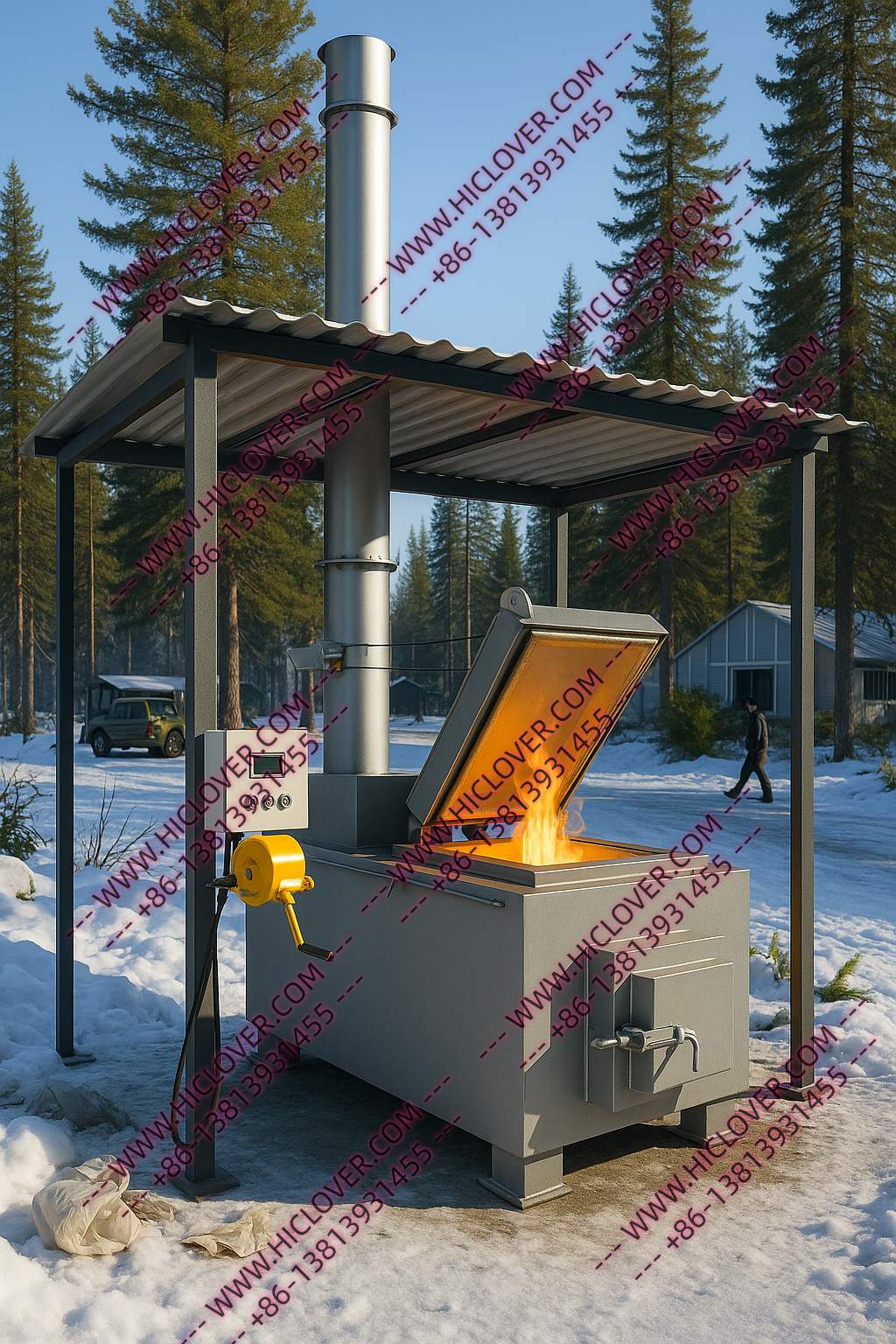
El HICLOVER TS20, diseñado con un sistema de carga superior (top-loading), se ha convertido en una solución práctica para centros médicos, granjas, laboratorios, campamentos humanitarios y operaciones móviles. Su puerta superior permite introducir los residuos de manera vertical, lo que mejora el control, simplifica la manipulación y reduce el riesgo de exposición al calor. Para instituciones que requieren un equipo compacto pero confiable, el TS20 destaca por su rendimiento estable y su facilidad de uso.


1. Ventajas del Sistema de Carga Superior

La característica principal del TS20 es su puerta superior, que ofrece un proceso de alimentación más seguro y directo. En comparación con los modelos frontales, la carga vertical elimina movimientos de empuje y reduce el contacto del operador con los residuos.

Beneficios clave del top-loading:

  • Introducción rápida de residuos ligeros, voluminosos o irregulares

  • Menor liberación de calor al abrir la cámara

  • Proceso de trabajo más limpio y organizado

  • Menos esfuerzo físico gracias al apoyo de la gravedad

  • Operación intuitiva incluso para equipos sin experiencia técnica

Este diseño resulta especialmente útil en instalaciones temporales o en lugares donde el espacio de trabajo es limitado.


2. Estructura y Funciones del HICLOVER TS20

Aunque es un modelo compacto, el TS20 incorpora características propias de incineradores profesionales de mayor capacidad.

Entre sus funciones principales se encuentran:

  • Cámara primaria reforzada para uso diario

  • Cámara secundaria para postcombustión y reducción de humo

  • Control digital o PLC para una gestión precisa de temperaturas y quemadores

  • Compatibilidad con diésel, gas natural o LPG

  • Revestimiento refractario diseñado para altas temperaturas

  • Encendido y apagado automático de los quemadores

Gracias a esta configuración, el TS20 ofrece un desempeño estable y confiable en diferentes condiciones operativas.


3. Soluciones Móviles y Configuraciones Flexibles

El TS20 es uno de los modelos más solicitados en proyectos que requieren movilidad o instalaciones rápidas. HICLOVER ofrece varias configuraciones según las necesidades del cliente:

  • Versión montada en remolque, ideal para zonas rurales y servicios veterinarios

  • Sistema dentro de contenedor, protegido y listo para transporte internacional

  • Unidad sobre skid, utilizada en obras, industrias y campamentos mineros

  • Versión para despliegue rápido, especialmente valorada por ONG, misiones humanitarias y operaciones militares

El diseño de carga superior funciona muy bien en todas estas aplicaciones porque facilita la alimentación del residuo incluso en suelos irregulares o espacios reducidos.


4. Aplicaciones en Diferentes Sectores

Centros de Salud y Clínicas

El TS20 permite eliminar de forma segura residuos médicos, materiales contaminados, guantes y papel desechable, particularmente en regiones sin plantas centralizadas.

Sector Veterinario y Avícola

La puerta superior facilita la introducción de restos animales, subproductos avícolas y desechos orgánicos, reduciendo riesgos sanitarios.

Laboratorios y Centros de Investigación

Ideal para la destrucción de muestras biológicas y residuos ligeros que requieren tratamiento inmediato.

Campamentos Humanitarios y Bases Móviles

Su tamaño compacto y su instalación mínima lo convierten en una solución práctica para campamentos de emergencia, zonas remotas y operaciones de respuesta rápida.

Empresas Comerciales e Industrias Pequeñas

Ayuda a reducir acumulaciones de residuos de papel y embalajes, mejorando la higiene operativa diaria.


5. Razones por las que el TS20 se Destaca en su Categoría

Las organizaciones eligen el TS20 porque combina:

  • Uso simple y seguro

  • Combustión eficiente con menos humo

  • Bajo consumo y mayor protección térmica

  • Robustez para trabajos prolongados

  • Compatibilidad con plataformas móviles

  • Instalación rápida y mantenimiento sencillo

El HICLOVER TS20, con su sistema de carga superior, ofrece una solución confiable y económica para la gestión de residuos en una amplia variedad de sectores.

Mobile: +86-13813931455(WhatsApp)

Email:     [email protected]     
Email:     [email protected] 


2025-11-24/11:39:04

Incinerator Items/Model

HICLOVER TS100(PLC)


Burn Rate (Average)

100kg/hour

Feed Capacity(Average)

150kg/feeding

Control Mode

PLC Automatic

Intelligent Sensor

Continuously Feeding with Worker Protection

High Temperature Retention(HTR)

Yes (Adjustable)

Intelligent Save Fuel Function

Yes

Primary Combustion Chamber

1200Liters(1.2m3)

Internal Dimensions

120x100x100cm

Secondary Chamber

600L

Smoke Filter Chamber

Yes

Feed Mode

Manual

Burner Type

Italy Brand

Temperature Monitor

Yes

Temperature Thermometer

Corundum Probe Tube, 1400℃Rate.

Temperature Protection

Yes

Automatic Cooling

Yes

Automatic False Alarm

Yes

Automatic Protection Operator(APO)

Yes

Time Setting

Yes

Progress Display Bar

3.7 in” LCD Screen

Oil Tank

200L

Chimney Type

 Stainless Steel 304

1st. Chamber Temperature

800℃–1000℃

2nd. Chamber Temperature

1000℃-1300℃

Residency Time

2.0 Sec.

Gross Weight

7000kg

External Dimensions

270x170x190cm(Incinerator Main Body)

Burner operation

Automatic On/Off

Dry Scrubber

Optional

Wet Scrubber

Optional

Top Loading Door

Optional

Asbestos Mercury Material

None

Heat Heart Technology(HHT)

Optional

Dual Fuel Type(Oil&Gas)

Optional

Dual Control Mode(Manual/Automatic)

Optional

Temperature Record

Optional

Enhanced Temperature Thermometer

Optional

Incinerator Operator PPE Kits

Optional

Backup Spare Parts Kits

Optional

Mobile Type

Optional:Containerized/Trailer/Sledge Optional

Airport and Aviation Maintenance Waste Incineration Solutions

Airport and Aviation Maintenance Waste Incineration Solutions


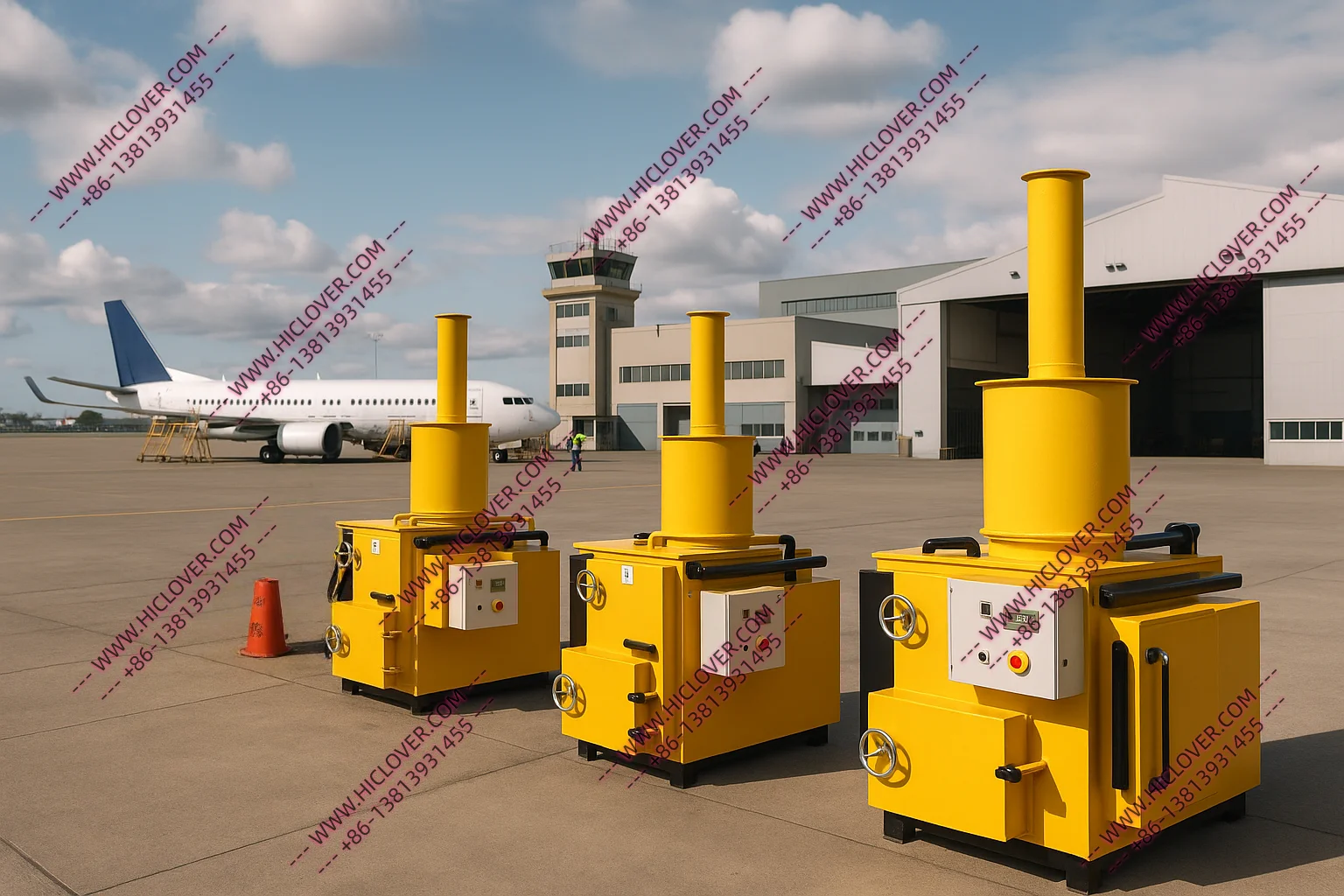
Airports and aviation maintenance bases generate diverse waste streams requiring strict environmental and safety controls. HICLOVER provides fixed dual-chamber incinerators with integrated flue gas washing systems, designed to meet civil aviation fire protection standards while ensuring efficient destruction of oil-based and organic waste.


Aviation and Airport Waste Characteristics

Within airport maintenance zones, aircraft hangars, medical first-aid stations, and catering centers, the daily waste mix typically includes:

  • Oil filters, used lubricants, and contaminated absorbents from maintenance operations.

  • Food residues and packaging from airline catering centers.

  • Medical and sanitary waste from airport clinics.

Such waste streams are difficult to manage using conventional disposal due to contamination with hydrocarbons, grease, and biological materials. Controlled high-temperature incineration above 1100°C ensures total destruction of pathogens and hydrocarbons, reducing emissions to safe levels.


HICLOVER System Design

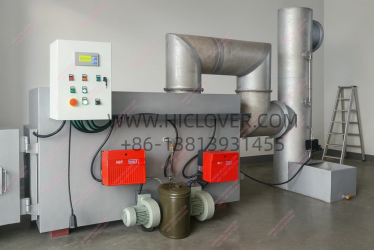
HICLOVER’s fixed dual-chamber incinerator configuration separates the primary combustion zone from the secondary post-combustion chamber.

  • Primary chamber: directly burns mixed solid waste, maintaining stable combustion.

  • Secondary chamber: oxidizes unburned gases, achieving complete combustion and odor control.

  • Flue gas treatment: optional wet scrubber or alkali tower neutralizes acid gases before release.

  • Automation: PLC control with temperature sensors and interlocks ensures stable operation and safe shutdown.

This structure complies with international civil aviation and environmental emission guidelines, minimizing smoke and odor near terminals and runways.


Environmental and Operational Benefits

  • Reduces waste volume by up to 95%, minimizing off-site transport.

  • Handles mixed solid and semi-solid waste, including oil residues.

  • Suitable for on-site treatment within airport maintenance or logistics areas.

  • Scalable capacity options: from 50 kg/h for small terminals to 300 kg/h for regional aviation hubs.

  • Optional diesel or natural gas burners (Riello or Italy-brand) provide reliable ignition.


Global Relevance

Airports in Africa, the Middle East, and Southeast Asia are increasingly prioritizing sustainable waste management to meet ICAO and WHO standards. HICLOVER systems align with these global objectives through containerized or fixed installations adaptable to local regulations and site constraints.

For example, smaller regional airports in East Africa or Pacific islands benefit from containerized dual-chamber incinerators, which can be shipped and installed rapidly with minimal civil works. Major international airports near coastal zones prefer fixed concrete-base models with corrosion-resistant chimneys and integrated quench towers.


Integration with HICLOVER Technologies

Learn more about HICLOVER’s industrial and medical incineration systems and accessories:


Conclusion
As aviation operations expand globally, efficient and compliant waste disposal becomes critical. HICLOVER’s airport and aviation maintenance incinerator systems provide a proven solution for managing mixed industrial and biological waste safely, protecting both airport personnel and the surrounding environmental quality.

Mobile: +86-13813931455(WhatsApp)

Email:     [email protected]     
Email:     [email protected] 


2025-11-09/19:58:46

Incinerator Items/Model

HICLOVER TS100(PLC)


Burn Rate (Average)

100kg/hour

Feed Capacity(Average)

150kg/feeding

Control Mode

PLC Automatic

Intelligent Sensor

Continuously Feeding with Worker Protection

High Temperature Retention(HTR)

Yes (Adjustable)

Intelligent Save Fuel Function

Yes

Primary Combustion Chamber

1200Liters(1.2m3)

Internal Dimensions

120x100x100cm

Secondary Chamber

600L

Smoke Filter Chamber

Yes

Feed Mode

Manual

Burner Type

Italy Brand

Temperature Monitor

Yes

Temperature Thermometer

Corundum Probe Tube, 1400℃Rate.

Temperature Protection

Yes

Automatic Cooling

Yes

Automatic False Alarm

Yes

Automatic Protection Operator(APO)

Yes

Time Setting

Yes

Progress Display Bar

3.7 in” LCD Screen

Oil Tank

200L

Chimney Type

 Stainless Steel 304

1st. Chamber Temperature

800℃–1000℃

2nd. Chamber Temperature

1000℃-1300℃

Residency Time

2.0 Sec.

Gross Weight

7000kg

External Dimensions

270x170x190cm(Incinerator Main Body)

Burner operation

Automatic On/Off

Dry Scrubber

Optional

Wet Scrubber

Optional

Top Loading Door

Optional

Asbestos Mercury Material

None

Heat Heart Technology(HHT)

Optional

Dual Fuel Type(Oil&Gas)

Optional

Dual Control Mode(Manual/Automatic)

Optional

Temperature Record

Optional

Enhanced Temperature Thermometer

Optional

Incinerator Operator PPE Kits

Optional

Backup Spare Parts Kits

Optional

Mobile Type

Optional:Containerized/Trailer/Sledge Optional

High-Temperature Animal Incinerators for the Food Processing & Slaughter Industry

High-Temperature Animal Incinerators for the Food Processing & Slaughter Industry


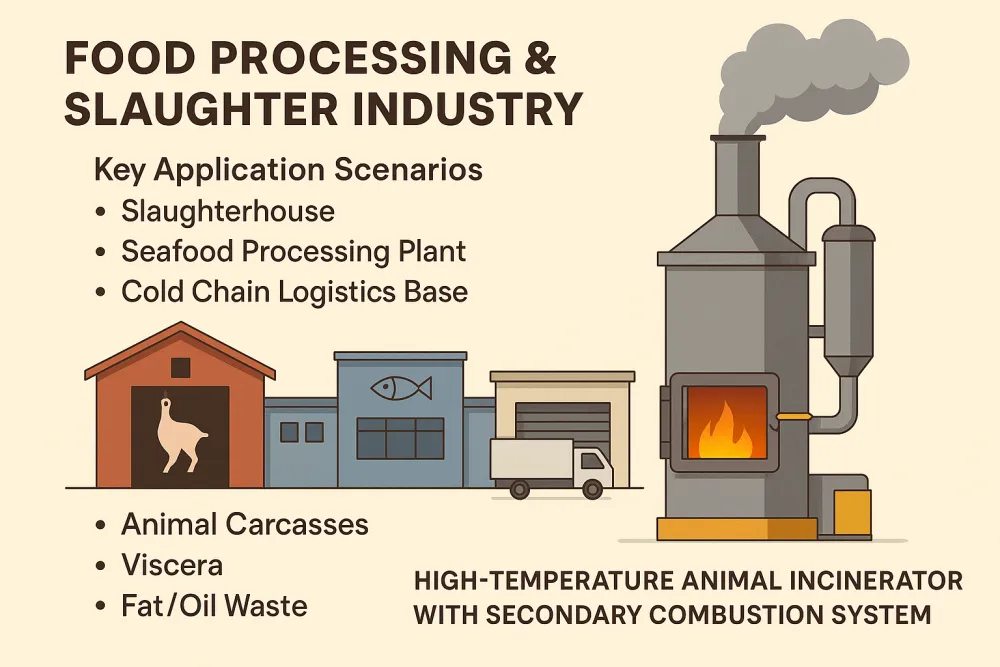
In regions from Southeast Asia (Vietnam, Thailand) to East Africa (Kenya, Uganda) and South America (Brazil, Colombia) the food processing and slaughter sectors generate significant waste streams. For large-scale operations such as a major slaughterhouse, seafood processing plant, or a cold-chain logistics base, effective disposal of animal by-products is critical.

The specialist solution from HICLOVER ― the high-temperature animal incinerator with secondary combustion system ― is designed specifically for handling waste types including animal carcasses, offal, and fat/oil waste generated by food processing and slaughtering operations.

Key Application Scenarios

  • A beef or poultry slaughterhouse in a Brazilian export zone disposing of large volumes of carcasses and off-cuts.

  • A seafood processing plant in coastal Thailand managing fish frames, shells, internal organs, and fat residues during peak season.

  • A cold-chain logistics hub in Kenya that receives animal-derived products and requires on-site disposal of spoiled or unusable items (oils, fat waste, carcasses).

Why the HICLOVER Dual-Combustion Incinerator Works

  • The dual-combustion (primary chamber + secondary after-burn) ensures complete destruction of organic material and fat/oil waste with minimal smoke and residual odor. (clover-incinerator.com)

  • High internal temperatures and refractory lining handle heavy-duty waste streams such as animal carcasses and viscous fat/oil residues. The manufacturer describes dual-chamber structure as standard. (clover-incinerator.com)

  • By deploying a system specifically for the food-processing/slaughter industry you address regulatory compliance, biosecurity risks (carcass disposal), and environmental concerns (oil/fat waste) in one.

  • Suitable for integration in large plants where waste generation is continuous; compatibility with diesel, LPG, or natural gas burners allows flexibility in region-specific fuel availability.

Practical Implementation Considerations

  • The incinerator should be located in a designated disposal zone within the processing complex, ideally adjacent to the waste feed stream of carcasses/offal.

  • Ensure the system’s feed capacity and burning rate match the volume of waste: e.g., a large slaughterhouse processing several tons per day may require an incinerator capable of 200 kg/hour or more feed rate.

  • Consider downstream air-emission treatment (scrubber, bag-filter) if regional regulation demands it (especially fat/oil fumes).

  • Train operators on handling high-fat waste (which may produce more smoke if fed cold) and ensure refractory chamber maintenance to sustain high-temperature performance.

  • Schedule regular inspections of ash residues and chamber integrity because fat/oil waste can accelerate wear if incineration is not complete.

Environmental & Operational Benefits

  • Reduces risk of disease transmission by disposing of animal carcasses in a controlled high-temperature environment rather than burying or uncontrolled burning.

  • Combines disposal of offal, fat/oil waste, and carcass material in one dedicated incinerator rather than using multiple disposal methods.

  • Supports the circular economy in processing plants by simplifying waste-stream management and freeing space that might otherwise be used for temporary storage or decaying waste.

  • Enhances corporate and regulatory credentials: operating a purpose-built high-temperature animal incinerator sends a clear signal of compliance and environmental responsibility.

SEO Keywords & External Links

For SEO optimisation please include internal/external link references to HICLOVER:

Conclusion

In large-scale food-processing and slaughter-industry contexts ― whether in Brazil, Thailand, Kenya or beyond ― the disposal of animal carcasses, offal and fat/oil waste presents a complex challenge. By installing a high-temperature animal incinerator with secondary combustion from HICLOVER, operators gain a reliable, efficient, and regulation-friendly solution tailored to this waste stream.


Mobile: +86-13813931455(WhatsApp)

Email:     [email protected]     
Email:     [email protected] 


2025-11-01/22:59:22

Incinerator Items/Model

HICLOVER TS100(PLC)


Burn Rate (Average)

100kg/hour

Feed Capacity(Average)

150kg/feeding

Control Mode

PLC Automatic

Intelligent Sensor

Continuously Feeding with Worker Protection

High Temperature Retention(HTR)

Yes (Adjustable)

Intelligent Save Fuel Function

Yes

Primary Combustion Chamber

1200Liters(1.2m3)

Internal Dimensions

120x100x100cm

Secondary Chamber

600L

Smoke Filter Chamber

Yes

Feed Mode

Manual

Burner Type

Italy Brand

Temperature Monitor

Yes

Temperature Thermometer

Corundum Probe Tube, 1400℃Rate.

Temperature Protection

Yes

Automatic Cooling

Yes

Automatic False Alarm

Yes

Automatic Protection Operator(APO)

Yes

Time Setting

Yes

Progress Display Bar

3.7 in” LCD Screen

Oil Tank

200L

Chimney Type

 Stainless Steel 304

1st. Chamber Temperature

800℃–1000℃

2nd. Chamber Temperature

1000℃-1300℃

Residency Time

2.0 Sec.

Gross Weight

7000kg

External Dimensions

270x170x190cm(Incinerator Main Body)

Burner operation

Automatic On/Off

Dry Scrubber

Optional

Wet Scrubber

Optional

Top Loading Door

Optional

Asbestos Mercury Material

None

Heat Heart Technology(HHT)

Optional

Dual Fuel Type(Oil&Gas)

Optional

Dual Control Mode(Manual/Automatic)

Optional

Temperature Record

Optional

Enhanced Temperature Thermometer

Optional

Incinerator Operator PPE Kits

Optional

Backup Spare Parts Kits

Optional

Mobile Type

Optional:Containerized/Trailer/Sledge Optional

Sustainable Animal Waste Incineration Solutions in Africa: HICLOVER Expands Its Reach

Sustainable Animal Waste Incineration Solutions in Africa: HICLOVER Expands Its Reach

[City] C [Date] C The safe disposal of animal waste has become a growing concern across Africa, particularly in regions where livestock farming, poultry production, and veterinary services are essential to local economies. Outbreaks of animal-borne diseases, combined with strict requirements for sanitary waste disposal, have pushed governments, veterinary authorities, and NGOs to adopt modern incineration technology.

The HICLOVER TS Series has proven to be an effective solution for animal waste management. Designed to handle carcasses, veterinary sharps, and by-products from slaughterhouses, the TS100 (100 kg/hour) and TS200 (200 kg/hour) incinerators deliver high-temperature destruction with complete sterilization. The dual-chamber system ensures that animal remains are reduced to sterile ash, preventing the spread of pathogens and controlling odors.

To address environmental concerns, HICLOVER offers advanced smoke emission control packages, including wet scrubbers, activated carbon filters, and baghouse filtration. These features make the technology suitable for donor-supported agricultural and veterinary health programs, aligning with international biosecurity guidelines.

Animal waste incineration is a critical component of public health and food safety across Africa,” said a spokesperson for HICLOVER. “Our containerized and mobile units can be deployed directly at poultry farms, veterinary hospitals, and agricultural centers, ensuring immediate and safe disposal of animal waste.”

From poultry farms in Nigeria and Kenya to veterinary hospitals in Cameroon and Tanzania, HICLOVER incinerators are helping safeguard communities, protect livestock industries, and reduce environmental risks.

For specifications and project support:
www.hiclover.com
[email protected]


Mobile: +86-13813931455(WhatsApp)

Email:     [email protected]     
Email:     [email protected] 


2025-09-23/14:14:43

HICLOVER Medical Waste Incinerators for Afghanistan’s Expanded Immunization Program

HICLOVER Medical Waste Incinerators for Afghanistan’s Expanded Immunization Program

Safe medical waste management has become a critical priority for Afghanistan, particularly within the National Expanded Program for Immunization (NEPI). With vaccination campaigns generating thousands of sharps, used vaccine vials, and contaminated packaging every day, the need for reliable treatment equipment is urgent. UNICEF’s recent assessment highlighted that open burning and burial remain widespread practices, posing risks to health workers and communities.

To address these challenges, five new incinerator units are being deployed at regional hubs in Kandahar, Nangarhar, Herat, Balkh, and Paktya, supporting more than 1,500 healthcare facilities nationwide.


Why HICLOVER Incinerators Are Chosen

HICLOVER provides dual-chamber, diesel-fired incinerators specifically engineered for healthcare waste. The equipment is designed to handle Afghanistan’s on-the-ground realities—remote locations, limited technical capacity, and the need for safe and simple operations.

Key technical features include:

  • Processing Capacity: 30–35 kg/hour in Paktya and 40–50 kg/hour in Kandahar, Nangarhar, Herat, and Balkh.

  • Combustion System: Dual chambers with 850°C in the primary chamber and ≥1100°C in the secondary chamber, ensuring full pathogen destruction.

  • Residency Time: ≥ 2 seconds in the secondary chamber to minimize harmful emissions.

  • Construction: Heavy-duty refractory lining (≥115 mm, 65% Al₂O₃) for long service life.

  • Non-Combustible Waste Deformation: Capable of treating glass syringes, metal sharps containers, and ampoules to achieve safe deformation.

  • Safety & Compliance: Equipped with sealed access doors, automatic alarms, insulated high-temperature surfaces, and noise levels ≤ 85 dBA.


Environmental and Emission Control

To comply with international emission standards, each incinerator is supplied with:

  • 12-meter stainless steel chimney with sampling ports for monitoring.

  • Wet scrubbing system (optional) including spray tower and demisting stage for acid gas removal.

  • Batch feeding system with airtight refractory-lined doors to prevent smoke leakage.

This design minimizes environmental impact while offering flexibility depending on Afghanistan’s regulatory framework.


Training, Manuals, and Maintenance

HICLOVER recognizes that sustainable success depends on capacity building. Each installation includes:

  • On-site and remote operator training (waste segregation, feeding, ash removal, emission monitoring).

  • Operation and service manuals in English, Dari, and Pashto.

  • Full set of spare parts for two years of operation.

  • One-year warranty with local reseller support for preventive maintenance.

These measures ensure that Afghan health workers can independently operate and maintain the equipment long after commissioning.


Strategic Impact for Afghanistan

The deployment of HICLOVER incinerators at NEPI’s regional sites will:

  • Replace unsafe disposal methods such as open burning.

  • Strengthen Afghanistan’s compliance with WHO guidelines for immunization waste.

  • Provide safer working conditions for health staff handling 400 safety boxes and 1,000 vials daily at each site.

  • Establish a scalable model for environmentally responsible healthcare waste treatment across the country.


afghanistan medical waste incinerator project
dual chamber diesel incinerator for NEPI Afghanistan
HICLOVER incinerator Kandahar Nangarhar Herat Balkh Paktya
healthcare waste incineration system for immunization campaigns
UNICEF supported incinerator project afghanistan
incinerator with wet scrubber for infectious waste Afghanistan


Learn More

For reliable, CE-certified solutions to healthcare waste management, contact HICLOVER today:


Mobile: +86-13813931455(WhatsApp)

Email:     [email protected]     
Email:     [email protected] 


2025-09-06/18:34:41

HS CODE 84178050 for Waste Incinerators

HS CODE 84178050 for Waste Incinerators C Understanding Customs Classification with HICLOVER

When importing or exporting incinerators, one of the most important requirements at international customs clearance is the correct HS CODE declaration. For HICLOVER medical waste and solid waste incinerators, the applicable HS CODE is 84178050. Many overseas buyers are unfamiliar with the specific classification, so they often search online for the right code when preparing to import incinerators for hospitals, clinics, petroleum camps, or industrial facilities. By understanding the HS CODE system, buyers can save time, reduce customs delays, and ensure smooth international trade.

What is HS CODE 84178050?

HS CODE stands for “Harmonized System Code,” an international nomenclature developed by the World Customs Organization (WCO). It standardizes the classification of goods across borders.

  • 84178050 specifically refers to industrial or laboratory incinerators for waste treatment, typically diesel-fired, gas-fired, or dual-fuel units.

  • In some countries, this is described as “Industrial furnaces and ovens, including incinerators, not elsewhere specified”.

  • In others, it may appear as “Other combustion or waste treatment equipment”.

For example:

  • In China, HS 84178050 is categorized under “Industrial or laboratory incinerators, including waste incinerators.”

  • In the European Union, it may fall under “Industrial furnaces and ovens; incinerators for waste treatment.”

  • In the United States, the import system (HTS Code) lists similar descriptions, sometimes with extended digits for sub-classification.

Although the description wording differs slightly by country, the number 84178050 (or its extended local version) remains the global reference for waste incineration equipment.

Why HS CODE Matters for Buyers

Incorrect HS CODE declaration can lead to:

  • Delays at customs clearance.

  • Incorrect import duties or tariffs being charged.

  • Possible rejection of shipments or additional documentation requests.

For buyers of HICLOVER incinerators, knowing and using 84178050 ensures that your hospital waste containerized incinerator (for example, a 100 kg per hour unit), your mobile incinerator for rural clinics and camps, or even larger containerized systems for African petroleum camps, will be correctly identified and taxed under the proper tariff category.

HICLOVER Incinerators and Global Export

As a leading manufacturer, HICLOVER has supplied incinerators worldwide C including to Africa, Asia, the Middle East, and international organizations such as the United Nations and World Bank projects. Export-ready models include:

  • Hospital Waste Containerized Incinerators (100C200 kg/hr): designed for hospitals and clinics, dual-chamber, PLC controlled, with optional wet scrubbers.

  • Mobile Incinerators for Rural Clinics and Camps (30C100 kg/hr): portable, containerized or trailer-mounted for fast deployment in field hospitals and refugee camps.

  • Containerized Incinerators for Petroleum Camps (300C500 kg/hr): high-capacity units for solid waste treatment in oilfield and mining base camps, with Italy-made burners and intelligent fuel-saving systems.

All exports are declared under HS CODE 84178050, ensuring consistency and compliance with international trade rules.

Supporting Buyers with Documentation

HICLOVER provides full export support:

  • Commercial invoices with HS CODE clearly declared.

  • Certificates of origin where required.

  • CE and ISO compliance certificates for technical and environmental standards.

  • Spare parts lists and technical manuals for after-sales support.

For buyers in Africa, the Middle East, or Asia, our experience with customs declarations helps avoid misunderstandings. For example, even if a buyer searches using terms like “industrial furnace HS code” or “hospital incinerator import code”, they will be directed to the correct HS CODE 84178050 C the classification for our incinerators.

Learn More

For details on HICLOVER’s containerized and mobile incinerators, as well as guidance on HS CODE declarations, visit:

Or contact us directly:
Website: www.hiclover.com
Email: [email protected]
Mobile (WhatsApp): +86-13813931455


China

  • HS CODE: 84178050

  • Chinese Description:  (Industrial or laboratory incinerators, including waste incinerators)

  • Application: Used for all types of waste incinerators (medical, animal, solid waste). This is the standard code HICLOVER declares when exporting from China.


European Union (EU)

  • HS CODE: 84178050 (CN Code under TARIC system)

  • EU Description: Industrial furnaces and ovens, including waste incinerators, not elsewhere specified

  • Notes: EU sometimes extends the digits (e.g., 8417.80.50.00) for tariff purposes. This code is widely recognized for hospital waste incinerators and containerized models imported into Europe.


United States (USA)

  • HTS Code: 8417.80.50.00

  • US Description: Industrial or laboratory furnaces and ovens, including incinerators, not elsewhere specified or included

  • Notes: The HTS (Harmonized Tariff Schedule) is the US equivalent of the HS system. Importers of medical waste incinerators must use this code when filing customs entry documents.


Africa (Common Examples)

Nigeria

  • HS CODE: 84178050 (applies under ECOWAS customs system)

  • Description: Waste incinerators, dual chamber, containerized or stationary.

  • Notes: Nigerian Customs accepts the same WCO HS code structure; tariff may vary under ECOWAS CET.

Kenya

  • HS CODE: 84178000 (simplified, sometimes aggregated without last two digits)

  • Description: Industrial and medical waste incinerators.

  • Notes: Often linked to donor-funded hospital procurement (WHO, UNDP).

South Africa

  • HS CODE: 84178050

  • Description: Industrial furnaces, ovens and incinerators.

  • Notes: Listed under SARS customs tariff; recognized for mobile and containerized units.


Why This Matters for HICLOVER Buyers

By knowing the correct HS CODE 84178050, customers importing HICLOVER containerized incinerators ― whether a hospital waste containerized incinerator 100 kg per hour, a mobile incinerator for rural clinics and camps, or high-capacity models for solid waste treatment in petroleum camps ― can:

  • Avoid delays at customs clearance.

  • Ensure correct tariffs and duties.

  • Prevent shipment reclassification or penalties.

HICLOVER provides all export documentation with the HS CODE clearly declared, along with CE and ISO certificates to meet international compliance standards.


Mobile: +86-13813931455(WhatsApp)

Email:     [email protected]     
Email:     [email protected] 


2025-09-02/21:41:58

HICLOVER TS50 PLC Animal Waste Diesel-Fired Incinerator Top Loading

HICLOVER TS50 PLC Animal Waste Diesel-Fired Incinerator

1. General Description

The HICLOVER TS50 PLC is a medium-sized, high-temperature diesel-fired incinerator designed for the safe destruction of animal waste, pathological waste, and other organic materials. Built to ensure efficient, environmentally compliant combustion, this model minimizes emissions while providing reliable performance. It is ideal for veterinary clinics, research laboratories, livestock farms, and slaughterhouses.

2. Technical Specifications

  • Model: HICLOVER TS50 PLC Top Loading

  • Type: Diesel-fired, dual-chamber incinerator

  • Waste Types: Animal waste, organic waste, pathological waste, medical by-products

  • Loading Capacity: 75 kg/batch

  • Burn Rate: Up to 50 kg/hour (depending on waste composition and operating conditions)

  • Combustion Method: Controlled air incineration with optimized airflow design

3. Construction Materials

  • Primary Chamber: High-grade steel structure, fully refractory-lined

  • Refractory Lining: Minimum 180 mm thickness in both chambers for thermal stability

  • Primary Chamber Operating Temperature: 850°C C 1000°C

  • Secondary Chamber: Advanced thermal oxidation design

  • Secondary Chamber Operating Temperature: 1100°C C 1300°C

  • Residence Time: Minimum 2 seconds for complete destruction of emissions

  • Exterior Body: Stainless steel finish with anti-corrosion treatment

  • Insulation: High-efficiency ceramic insulation to minimize heat loss

4. Burner System

  • Burner Type: Diesel-fired automatic burners, multi-stage operation

  • Fuel: Diesel (optional dual-fuel configuration available)

  • Fuel Consumption: 11C15 liters/hour (average, based on waste type)

  • Ignition: Fully automatic, with fail-safe shutdown features

  • Air Supply: Forced draft system for optimized combustion efficiency

5. Emission Control

  • Fully compliant with international environmental standards

  • Secondary chamber ensures smoke and odor reduction

  • Optional dry or wet scrubber units available for enhanced particulate and acid gas control

6. Control and Monitoring Systems

  • Control Panel: PLC-based, with automation for burners, safety, and temperature regulation

  • Temperature Monitoring: Dual thermocouples (primary and secondary chambers)

  • Alarms: Visual and audio alarms for temperature deviations and system faults

  • User Interface: Digital touch display with operational controls and diagnostics

7. Loading and Ash Removal

  • Loading: Manual top-loading with crank hinge (hydraulic options available)

  • Ash Removal: Removable collection tray for simplified handling

8. Safety Features

  • Automatic shutdown on over-temperature conditions

  • Pressure relief valves for chamber overpressure protection

  • Manual and automatic emergency stop functions

9. Fuel Efficiency

  • Designed for reduced fuel usage through optimized combustion

  • Combustion efficiency over 95% ensures clean burning and reduced operating costs

10. Optional Features

  • Adjustable chimney height, stainless steel lined

  • Dual-fuel options (diesel + LPG or natural gas)

  • Advanced scrubber or filtration systems for stringent emission compliance

11. Dimensions and Weight

  • Combustion Chamber Volume: 0.75 m3

  • Overall Dimensions (L x W x H): 2300 x 1600 x 4680 mm (assembled)

  • Weight: Approx. 3000 kg depending on configuration

  • Door Size: 990 x 920 mm

  • Steel Thickness: 3 mm reinforced shell

  • Burners: 2 units

  • Electrical Supply: 230V

  • Operating Footprint: ~24.4 m2

12. Compliance and Certifications

  • Certified under ISO 9001 and CE standards

  • Fully aligned with environmental and healthcare safety regulations

13. Warranty and Service

  • Warranty: 12 months from installation

  • Support: Regional service availability, spare parts supply, and technical training packages


This revised document highlights:

  • The HICLOVER TS50 PLC name for keyword association.

  • Core technical features: dual chamber, PLC control, refractory lining, emission control systems.

  • Target industries: veterinary clinics, farms, laboratories, slaughterhouses.


Mobile: +86-13813931455(WhatsApp)

Email:     [email protected]     
Email:     [email protected] 


2025-09-01/13:40:30

Small-Scale Medical Waste Incinerators in Togo

Small-Scale Medical Waste Incinerators in Togo


Togo, a small West African nation, is experiencing steady development in its healthcare sector, with growing awareness about safe medical waste disposal. Clinics, regional hospitals, and rural health posts are increasingly seeking affordable, efficient solutions for disposing of infectious waste, used syringes, contaminated dressings, and expired pharmaceuticals.

Among the solutions, small-capacity medical waste incinerators like the HICLOVER TS10, TS20, and TS30 series have found practical and effective applications. Let’s explore why these systems are being chosen and what makes them suitable for Togo’s healthcare facilities.


 Current Situation of Medical Waste in Togo

In Togo, most medical waste is generated by:

  • Regional hospitals in cities like Lomé, Sokodé, Kara, and Atakpamé

  • Private clinics and small maternity wards

  • Health posts spread across rural areas

Traditionally, open burning or shallow burial was common practice—methods that pose serious risks of groundwater contamination, air pollution, and disease transmission. Recent initiatives supported by international NGOs, the Ministry of Health, and development agencies have encouraged healthcare facilities to invest in compact, controlled incineration units.


 Why Small-Scale Incinerators Work Well in Togo

Togo’s healthcare infrastructure is largely decentralized:

  • Many rural centers handle 5–30 kg of infectious waste daily.

  • Electricity supply can be inconsistent, and facilities need easy-to-operate, low-maintenance solutions.

  • Regulations are becoming stricter, requiring proper waste treatment that meets WHO recommendations.

Small-capacity incinerators (like HICLOVER TS10, TS20, TS30) perfectly match these needs:

  • Affordable purchase and operating costs

  • Low fuel consumption

  • Compact size suitable for small plots

  • Reliable performance, even under challenging conditions


 The HICLOVER TS10, TS20, TS30 Series: Key Features

Burn Rate & Capacity:

  • TS10: ~10 kg/hour

  • TS20: ~20 kg/hour

  • TS30: ~30 kg/hour

  • Feed capacity designed for small daily loads

Robust Construction:

  • Chambers lined with high alumina refractory bricks

  • Durable steel casing protected by high-temperature paint

Smart & Safe:

  • PLC-based automatic operation (TS30 optional)

  • Corundum probe thermometers rated up to 1600°C

  • Flame observation windows

  • Optional dual fuel capability (Diesel & LPG/Natural Gas)

Efficiency & Control:

  • Two combustion chambers: primary and secondary

  • Secondary chamber designed to sustain temperatures above 1000°C

  • Retention time ≥ 2 seconds for complete combustion of harmful gases


 Wet Scrubber Dust Removal System: A Cleaner Solution

To meet environmental standards and improve air quality:

  • HICLOVER offers optional wet scrubbers to remove particulates, acid gases, and dioxin precursors.

  • This makes the incinerators suitable for facilities near residential areas, schools, or markets.

Benefits:

  • Reduces visible smoke and odor

  • Lowers emissions of hazardous compounds

  • Compact design that integrates with containerized or trailer-mounted systems


 Practical Applications in Togo

Small-capacity incinerators are used in:

  • Regional hospitals in Lomé and Kara

  • NGO-run rural clinics

  • Maternity centers dealing with placenta waste and sharps

  • Veterinary clinics treating animal waste

These units have helped facilities:

  • Stop unsafe open burning practices

  • Comply with local environmental and health regulations

  • Protect staff, patients, and nearby communities


 Why Choose HICLOVER?

HICLOVER, known for its range of medical and general waste incinerators, stands out by:

  • Delivering CE-certified, ISO9001:2015-certified products

  • Offering containerized and trailer-mounted solutions

  • Providing customized capacity and fuel type options

  • Supplying replacement spare parts and burner support

  • Global export experience, including over 50 countries (e.g., Kenya, Nigeria, Cameroon, Rwanda, Afghanistan, Somalia, Mauritius, Papua New Guinea, etc.)


 Contact & Learn More

For clinics, health posts, and NGOs in Togo looking for efficient, small-scale medical waste treatment:
Contact HICLOVER today
 Website: www.hiclover.com
 Email: [email protected]

Discover how the TS10, TS20, TS30 series with optional wet scrubber systems can help you safely, efficiently, and affordably manage medical waste.


Mobile: +86-13813931455(WhatsApp)

Email:     [email protected]     
Email:     [email protected]